

Luxury Details That Support Seniors Without Anyone Knowing
Growing older does not mean living in a home that looks clinical, institutional, or “for old people.”
In fact, the best aging-in-place design is often invisible. A truly well-designed home quietly supports comfort, balance, mobility, and independence while still feeling warm, stylish, layered, and deeply personal. Guests should notice the beauty first, not the accommodations.
At Age in Place North Texas, we believe luxury and accessibility should work together seamlessly. Many of the smartest aging-in-place features are the exact same details found in high-end custom homes and boutique hotels.
Here are some of the best “invisible” luxury details that quietly support seniors while keeping a home beautiful.
1. Curbless Showers
A curbless shower removes the small lip or step at the entrance to the shower. Most people think of this as an accessibility feature. Designers think of it as modern luxury.
A zero-threshold shower:
Reduces trip hazards
Makes shower entry easier
Allows space for a shower chair if ever needed
Creates a cleaner, more expansive visual look
This is one of the best examples of form and function aligning perfectly. The bathroom feels more elevated because it is more accessible.
Bonus points:
Linear drains
Frameless glass
Built-in benches
Together, these create a spa-like environment that also supports long-term independence.
2. Beautiful Grab Bars That Don’t Look Medical
Grab bars have an image problem. Many people picture stainless steel hospital rails bolted awkwardly to tile walls. But today, there are beautifully designed options in brass, matte black, bronze, and other designer finishes.
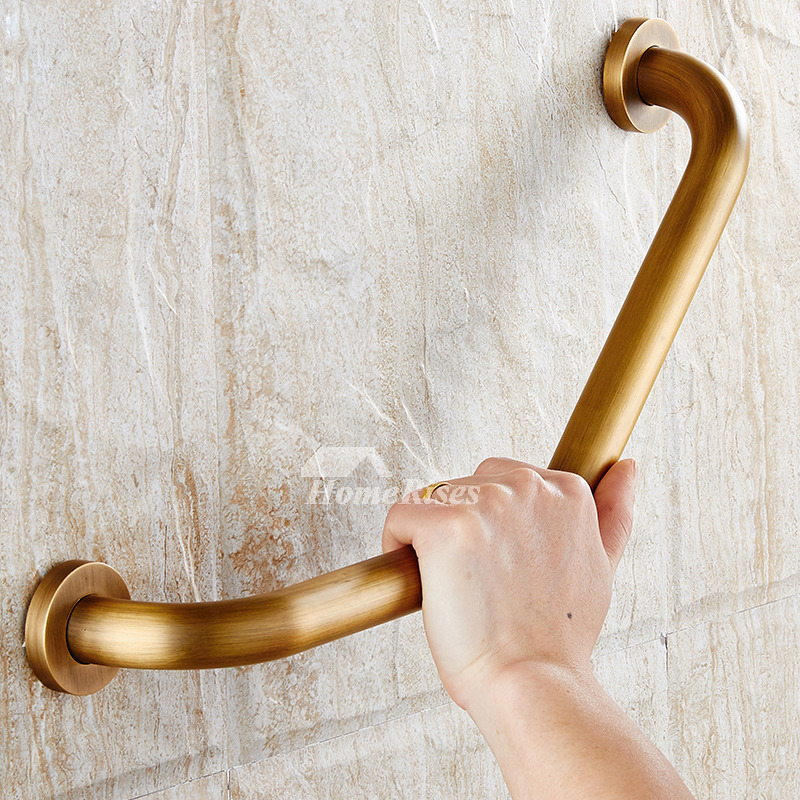
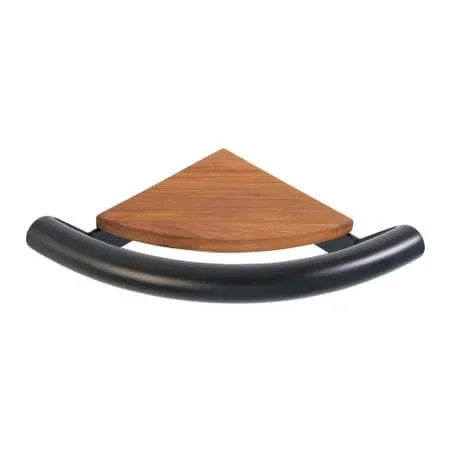
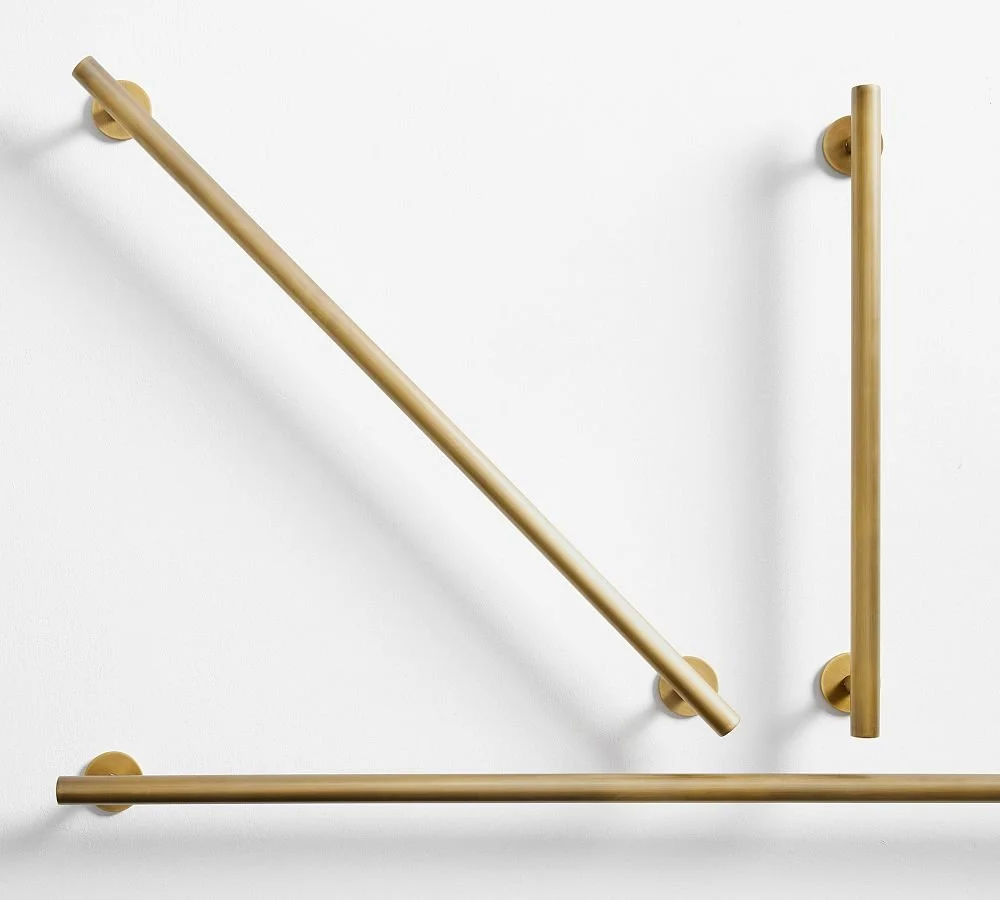
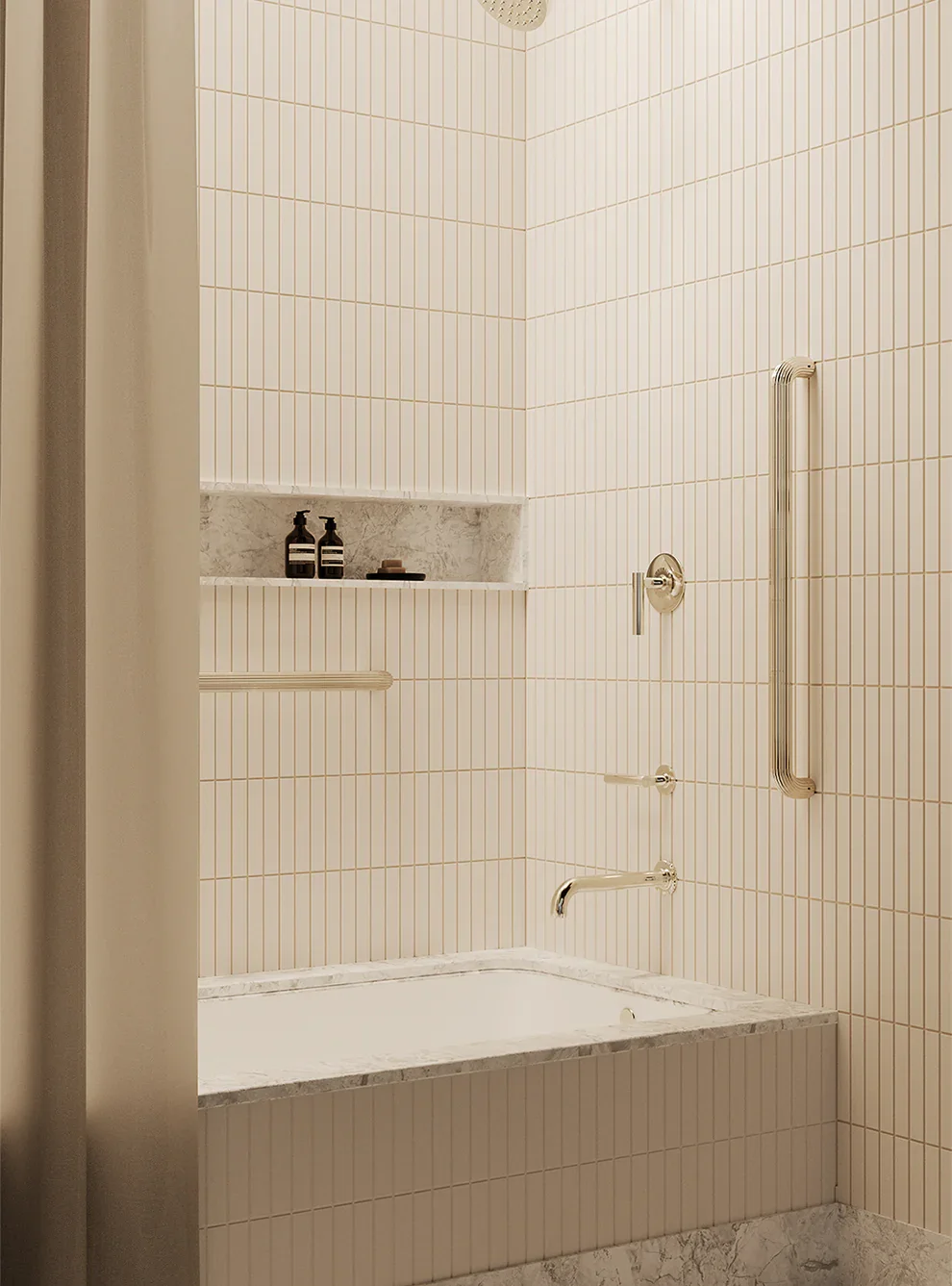

Some are integrated directly into:
Towel bars
Toilet paper holders
Shower shelving
Shower door frames
To guests, they simply look like upscale bathroom hardware. To the homeowner, they provide confidence and stability in one of the highest-risk rooms in the house.
3. Slightly Taller Furniture
Most people never notice when a sofa or chair sits one or two inches taller than standard. They only notice that it feels comfortable.
Higher seat heights:
Reduce strain on knees and hips
Make standing easier
Improve comfort for a wider range of ages and body types
This is common in many luxury homes already because comfort itself feels luxurious.
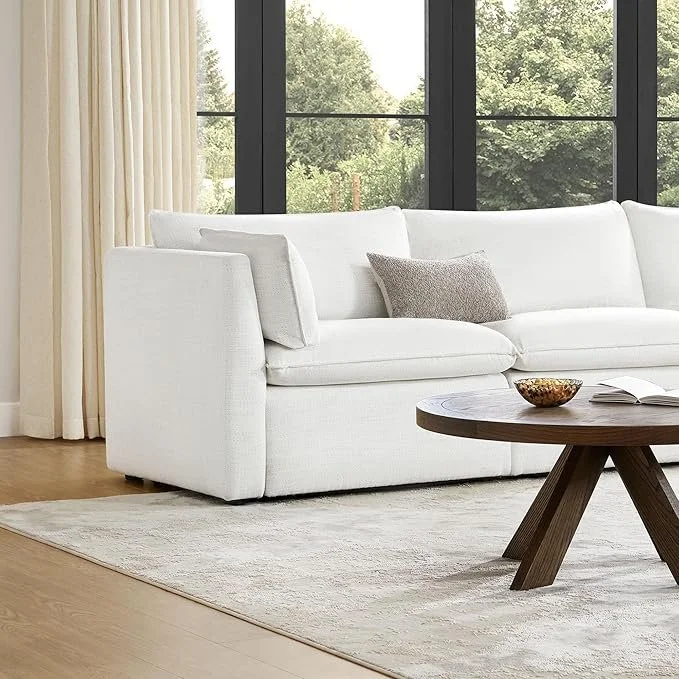
This cloud sofa dupe, has a 20 inch tall seat height. So it brings all the style but twice the function.
The same principle applies to:
Dining chairs
Bed height
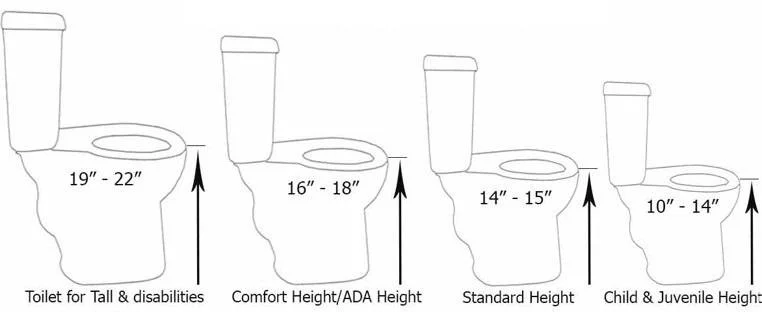
Toilets
Outdoor furniture
Subtle ergonomic improvements can dramatically improve day-to-day life.
4. Layered Lighting
As we age, our eyes need more light. But brighter does not have to mean harsh. Well-designed layered lighting creates a home that feels cozy and sophisticated while also improving visibility and safety.
This often includes:
Under-cabinet lighting
Toe-kick lighting
Stair lighting
Dimmer switches
Warm ambient lamps
Motion-sensor night lighting
The result is a home that feels calm, intentional, and easier to navigate at night. Many luxury designers already use these techniques because they add depth and atmosphere to a space.
5. Wide Pathways and Open Layouts
A well-planned layout should feel effortless. Wide walkways and open circulation paths:
Reduce fall risks
Make navigation easier
Accommodate walkers or wheelchairs if ever needed
Create a more relaxed, high-end feeling overall
Luxury homes often feel luxurious partly because they provide breathing room. Good aging-in-place design uses that same principle intentionally.
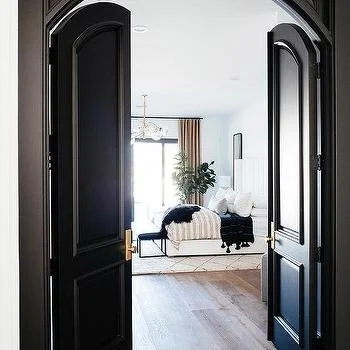
A large double door is easier to pass through than standard doorways.
6. Low-Pile Rugs and Seamless Flooring
Thick rugs and uneven flooring transitions can become tripping hazards. But removing warmth and texture from a home is not the answer.
Instead:
Use low-pile woven rugs
Choose flush flooring transitions
Avoid abrupt level changes
Use matte flooring with subtle grip
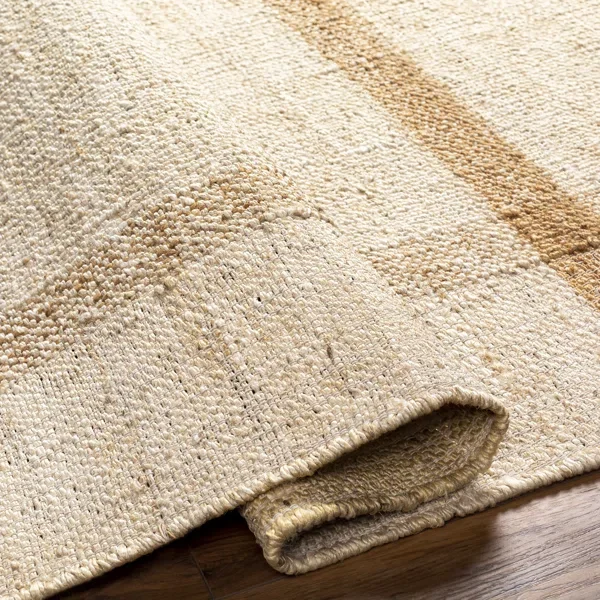
Low pile and woven rugs are easier to navigate that plush rugs. Also use rug tape to keep rugs in place.
Guests simply experience a beautiful, cohesive home. The safety benefits stay quietly in the background.
7. Kitchen Details That Feel Custom
Many aging-in-place kitchen features already exist in high-end custom kitchens because they improve usability for everyone.
Examples include:
Pull-down shelving
Drawer storage instead of deep lower cabinets
Counter-height dishwashers
Lever hardware
Wide appliance clearances
Under-cabinet lighting
These details make kitchens feel thoughtful and highly functional — not clinical.

Dishwashers can be elevated and placed strategically near most frequently used items to make unloading a breeze.
The Future of Aging in Place Is Invisible
The old model of accessible design often prioritized function at the expense of beauty.
That tradeoff is no longer necessary.
The future of aging in place is:
Warm
Layered
Comfortable
Elegant
Intentional
A home can support mobility, balance, energy levels, and long-term independence without becoming a visual reminder of aging.
In many cases, the very features that make a home safer also make it feel more luxurious.
That is the sweet spot:
A home that quietly supports you while still feeling like you.
